
Travel Bidet Guide: Why It Is Useful When Traveling to Countries Without Bathroom Bidets
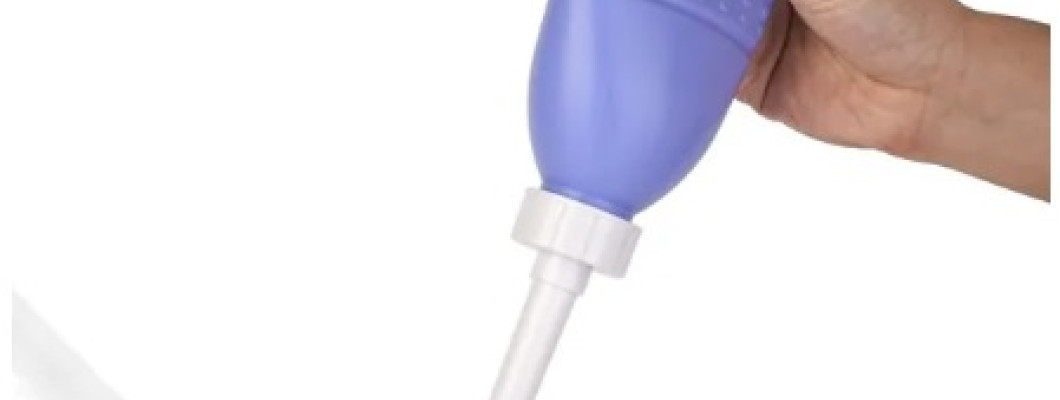
Travel Bidet Guide: Why It Is Useful When Traveling to Countries Without Bathroom Bidets
Introduction
Bathroom facilities may not be the first thing travelers think about when planning a trip, but they can become surprisingly important after arriving at a destination, especially for people who are accustomed to cleaning with water after using the toilet.
In many homes across the Middle East and other regions, a handheld bidet sprayer is a familiar bathroom fixture. When traveling, however, you may stay in a hotel, apartment, or other accommodation where the bathroom does not have the type of bidet you normally use.
This is where a travel bidet can be useful.
A travel bidet, also known as a portable bidet, is a personal device designed to provide water for external intimate cleaning after using the toilet when a suitable fixed bidet is unavailable.
Depending on its design, it can be packed with your personal travel essentials, filled with water when needed, and used in hotels, apartments, and other suitable bathroom facilities.
For travelers who consider water an essential part of their personal hygiene routine after using the toilet, a portable bidet can provide a familiar option without relying entirely on the bathroom facilities available at each destination.
But does every traveler need one? What types are available? What is the difference between a manual and an electric travel bidet? How should you choose one, carry it, clean it, and use it properly?
This guide covers those questions in practical detail.
Quick Answer
Do you need a travel bidet when visiting places where bathroom bidets may not be available?
If cleaning with water after using the toilet is an important part of your personal routine, a travel bidet can be a very practical item to pack.
Its main advantage is simple:
You carry your own portable way to use water for external cleaning instead of depending on every bathroom you visit having the type of bidet you prefer.
Bathroom facilities should not be generalized by country. A bidet may be available in one hotel but absent in another, and facilities can vary between hotels, apartments, airports, restaurants, shopping centers, highway stops, and public restrooms.
If cleaning with water is important to you and you cannot confirm what will be available throughout your trip, carrying a portable bidet can help you prepare for these differences.
Table of Contents
- What Is a Travel Bidet?
- Why Might You Need a Travel Bidet?
- Why Does the Need Vary Between Destinations?
- Who May Find a Travel Bidet Most Useful?
- Types of Travel Bidets
- Manual Portable Bidets
- Electric Portable Bidets
- Travel Bidet vs. Fixed Bathroom Bidet
- How to Choose a Travel Bidet
- Water Capacity
- Water Flow and Control
- Size and Weight for Travel
- Ease of Filling and Use
- Ease of Cleaning
- How to Use a Travel Bidet
- How Men Can Use a Travel Bidet
- How Women Can Use a Travel Bidet
- Using a Travel Bidet in a Hotel
- Using It in Public Restrooms
- Using It During Long Trips
- Choosing Water for a Travel Bidet
- Cleaning the Bidet After Use
- Storing It in Your Travel Bag
- Common Travel Bidet Mistakes
- Does a Travel Bidet Replace Toilet Paper?
- When Does a Travel Bidet Become a Travel Essential?
- Practical Tips Before Traveling
- Pre-Travel Checklist
- Quick Answers
- Frequently Asked Questions
- Conclusion
- Quick Summary
- Travel Bidet Preparation and Use: Step by Step
- Read Also
What Is a Travel Bidet?
A travel bidet is a portable personal hygiene device designed to direct water toward the external intimate area for cleaning after using the toilet.
Unlike a fixed bidet sprayer or a bidet integrated into a toilet, a travel bidet can be carried from one place to another.
How it works depends on the type.
Some portable bidets use a flexible water bottle with an angled nozzle. The user fills the bottle and squeezes it by hand to create and control the water flow.
Other models are electrically powered and use a small pump to direct water through a nozzle.
Products can differ considerably in:
- Overall size.
- Water capacity.
- Nozzle shape.
- Nozzle angle.
- Water-flow design.
- Power source on electric models.
- Filling method.
- Portability.
- Cleaning and storage requirements.
There is therefore no single travel bidet design that is automatically best for everyone.
The right choice depends on how you intend to use it, how often you travel, how much luggage space you have, and your personal preferences.
Why Might You Need a Travel Bidet?
The main reason is simple: bathrooms away from home may be equipped differently from the bathroom you normally use.
You might book a comfortable hotel and discover that the bathroom does not have the handheld bidet sprayer you are accustomed to.
Another location may offer a different type of bidet, while some bathrooms may provide no water-based cleaning fixture beside the toilet.
The difference becomes more noticeable when a trip involves several types of facilities, such as:
- Hotels.
- Vacation apartments.
- Airports.
- Train stations.
- Highway rest stops.
- Restaurants.
- Shopping centers.
- Public restrooms.
A portable bidet reduces your dependence on the specific fixtures available in each bathroom.
This can be particularly useful during trips that involve frequent movement between locations.
Why Does the Need Vary Between Destinations?
Bathroom designs and habits are not identical around the world.
In some regions, using water after the toilet is common and bathrooms frequently include a suitable fixture.
Elsewhere, toilet paper may be more commonly relied upon, or bathrooms may use bidet designs that differ from the handheld sprayer familiar to many travelers.
However, it is better to avoid broad statements such as:
"There are no bidets in this country."
That may not be accurate.
Bathroom facilities can vary from one hotel to another in the same city and between different types of accommodation.
A more useful question before traveling is:
Can I be confident that the bathrooms I will use throughout my trip provide the water-cleaning option I prefer?
If the answer is uncertain and cleaning with water matters to you, carrying a travel bidet can be a practical solution.
Who May Find a Travel Bidet Most Useful?
A portable bidet can be particularly useful for travelers who routinely use water after using the toilet and want to maintain that routine away from home.
Its usefulness may increase in several types of travel.
Multi-City Trips
If you are moving between several cities, hotels, or apartments, it can be difficult to know exactly what bathroom facilities will be available at every stop.
Staying in Different Types of Accommodation
Hotels, vacation rentals, and other accommodations can have different bathroom layouts and fixtures. A personal portable solution reduces your dependence on those differences.
Long Road Trips
Road trips may require using restrooms at service stations, highway stops, or other facilities along the route.
Frequent Travel
Someone who travels regularly may find it convenient to keep a portable bidet among their standard travel essentials rather than checking bathroom fixtures before every trip.
Anyone Who Considers Water an Essential Part of Their Routine
This is the most important factor.
Not every traveler will consider a portable bidet necessary. For someone who does not normally use water in this way, it may be an optional accessory.
For a traveler who strongly prefers cleaning with water after using the toilet, however, it may become one of the more useful personal hygiene items in the luggage.
Types of Travel Bidets
Travel bidets can generally be divided into two main categories:
Manual portable bidets.
Electric portable bidets.
Each type has different practical characteristics, and the better choice depends on what the traveler values most.
Manual Portable Bidets
A manual travel bidet usually has a relatively simple design.
Many models consist of a water container and an angled nozzle. Water flow is created by squeezing the bottle or container according to the product's design.
Potential advantages include:
- Simple operation.
- Usually no battery or charging requirement.
- Portable designs.
- Relatively few components.
- Practical for travelers who prefer a straightforward device.
However, the experience depends heavily on the individual product, including the flexibility of the bottle, nozzle design, water capacity, and how easily the user can control the flow.
For that reason, do not assume that every manual travel bidet performs in exactly the same way.
Electric Portable Bidets
Electric travel bidets use a small powered pump to move water through the nozzle rather than relying only on hand pressure.
Some models may offer multiple flow settings, but this depends entirely on the specific product and should be confirmed from its specifications.
When considering an electric model, check:
- How the device operates.
- Its power source.
- Charging requirements if rechargeable.
- Water capacity or how it connects to a water container.
- Nozzle design.
- Cleaning instructions.
- Size when packed.
- Manufacturer instructions concerning water exposure, storage, and maintenance.
An electric model may appeal to travelers who prefer pump-powered water flow, while others may prefer the simplicity of a manual design.
Travel Bidet vs. Fixed Bathroom Bidet
A fixed bidet or handheld bidet sprayer is part of the bathroom and remains available in that location.
A travel bidet is different because portability is its main advantage.
A fixed bathroom solution does not normally need to be packed, carried, or filled in the same way as a portable device, but you can only use it where it has been installed.
A travel bidet accompanies you and can provide a water-cleaning option when a suitable fixed bidet is unavailable, provided you have appropriate water and a suitable place to use it.
For this reason, a travel bidet should generally be viewed as a portable solution for mobility and travel rather than a replacement for a permanent bathroom fixture at home.
How to Choose a Travel Bidet
Before buying one, do not focus only on appearance.
Start by asking practical questions:
How often do I travel?
Will I use it mainly in the hotel, or do I want to carry it while sightseeing and moving around?
Would I prefer a simple manual model or a powered device?
How much luggage space can I give it?
How easy is it to fill?
Can I clean and dry it conveniently?
Does the nozzle design make positioning practical for me?
Is the water capacity suitable for the way I expect to use it?
Answering these questions will make it easier to compare products based on your actual needs rather than appearance alone.
Water Capacity
Water capacity is one of the most important details to consider when choosing a travel bidet.
A smaller reservoir may take up less space in your luggage, but it may need to be refilled if the amount of water is not enough for your preferred use.
A larger reservoir provides more water but may also take up more space and become heavier when filled.
There is no single ideal capacity for everyone.
When comparing products, consider the balance between:
- The amount of water you prefer to use.
- The size of the bidet in your travel bag.
- How easy it is to refill.
- Its weight when full.
- Whether you can conveniently access suitable water when needed.
It is a good idea to test the bidet at home before traveling. This will help you determine whether its capacity and water delivery are suitable for you.
Water Flow and Control
Stronger water flow does not automatically mean a better travel bidet.
The important factor is having a flow that is comfortable and can be directed effectively according to the design and instructions of the device.
With a manual travel bidet, water pressure may depend on how firmly you squeeze the bottle as well as the design of the nozzle.
With an electric model, a pump creates the water flow. Some products may provide more than one flow setting, but this should always be confirmed from the specifications of the individual model.
During use, avoid water pressure that causes pain or irritation.
A travel bidet is intended for comfortable external cleaning with water. It is not intended for forcing water inside the body.
Size and Weight for Travel
A useful travel bidet should not only work well; it should also be practical to carry.
If you travel with a small suitcase or carry-on luggage, size can become particularly important.
Check the dimensions of the product in its packed or stored configuration rather than considering only its appearance while in use.
Some designs may include a folding or detachable nozzle, while others use a single-piece construction. These features vary between products.
Also consider where you intend to carry the bidet.
Will it remain with your toiletries at the hotel?
Or do you want to carry it in a smaller bag while you are away from your accommodation?
If you plan to use it outside the hotel, portability, filling, and storage after use become even more important.
Ease of Filling and Use
A portable bidet can look compact and convenient in product photos, but the filling process has a major effect on everyday usability.
Consider the size of the filling opening, how the reservoir opens and closes, and whether you can handle it without unnecessary spills.
Before traveling, practice the complete process at home:
- Fill the reservoir.
- Close it correctly.
- Hold the device in the intended position.
- Position the nozzle.
- Control the water flow.
- Empty any remaining water when appropriate.
- Clean and dry it according to the manufacturer's instructions.
- Return it to its storage configuration.
If this process feels straightforward at home, it is more likely to be practical during your trip.
Ease of Cleaning
Because a travel bidet is a personal hygiene item, ease of cleaning and drying should be considered when choosing one.
Follow the manufacturer's cleaning instructions because materials, removable components, electrical parts, and water-resistance levels vary between products.
A practical design should allow you to care for the reservoir and nozzle according to the product instructions without making routine cleaning unnecessarily difficult.
Do not leave water sitting inside the device for extended periods when the manufacturer's instructions call for emptying and drying it before storage.
How to Use a Travel Bidet
Exact instructions vary depending on the design, so always read the instructions supplied with your product.
The general principle is straightforward.
The bidet is prepared with suitable water, and the nozzle is directed toward the external area to be cleaned after using the toilet. Water flow is then created either by squeezing the reservoir or activating the device, depending on the model.
A general process may look like this:
1. Prepare the travel bidet before you need it if that is more convenient in the bathroom you are using.
2. Fill the reservoir with suitable water according to the product instructions.
3. Make sure the reservoir is closed correctly and the nozzle is properly positioned or attached.
4. Sit securely and comfortably on the toilet.
5. Hold the bidet in a position that allows you to direct the nozzle without losing your balance.
6. Direct the water toward the external area you want to clean.
7. Begin with a comfortable flow rather than immediately using strong pressure.
8. Adjust the nozzle angle as needed according to your comfort and the product design.
9. After cleaning, use an appropriate drying method if desired.
10. Clean the travel bidet according to the manufacturer's instructions and store it appropriately.
The first few uses may require some practice to find the most comfortable holding position and nozzle angle.
This is another reason to test the device at home before relying on it during a trip.
How Men Can Use a Travel Bidet
A man can use a portable bidet while seated securely on the toilet and direct the water toward the external area that needs cleaning.
Depending on body position, nozzle design, and the amount of space around the toilet, approaching from the front, side, or another comfortable position may work best.
There is no single angle that must be used by everyone.
The main considerations are:
- Sit securely.
- Hold the device comfortably.
- Direct the nozzle toward the intended external area.
- Use a comfortable water flow.
- Avoid allowing the nozzle to touch the body or unclean bathroom surfaces whenever possible.
- Follow the instructions provided with the product.
Practicing at home can help you determine the most comfortable technique before traveling.
How Women Can Use a Travel Bidet
Women can also use a portable bidet while seated on the toilet, choosing a position that allows comfortable external cleaning.
Direction is particularly important.
To help reduce the transfer of germs from the anal area toward the urethra and vagina, cleaning should generally proceed from front to back, following the same principle commonly recommended for wiping after using the toilet.
Pay attention to the direction of the water and avoid using a technique that moves contaminants from back to front.
A travel bidet is intended for external cleaning. There is no need to direct high-pressure water inside the vagina.
If using the bidet causes persistent pain or irritation, stop using it and seek appropriate medical advice when necessary.
Using a Travel Bidet in a Hotel
Hotels are one of the situations where a portable bidet can be especially useful.
Before traveling, you may be able to check the room description or contact the accommodation to ask about bathroom facilities.
However, if cleaning with water is important to you, carrying your own travel bidet can still provide a backup for bathrooms outside the hotel.
After arriving:
- Identify a suitable water source.
- Prepare the bidet according to its instructions.
- Keep electrical devices away from inappropriate water exposure unless they are specifically designed for it.
- Clean the bidet according to the manufacturer's recommendations after use.
- Allow components that require drying to dry appropriately before packing them away.
- Remember to take the bidet with you when checking out.
For a longer stay, it can be useful to give the device a clean, designated place among your personal toiletries rather than leaving it randomly around the bathroom.
Using a Travel Bidet in Public Restrooms
Public restrooms require slightly more planning.
At a hotel, you generally know where your belongings and water source are located. In a public restroom, the sink may be outside the individual toilet stall.
If you expect to use your portable bidet while away from your accommodation, consider:
- How you will carry it hygienically.
- Whether you need to fill it before entering the stall.
- How to prevent leaks inside your bag.
- How you will store it after use.
- How you will avoid placing it on the restroom floor or other unclean surfaces.
Do not assume that every toilet stall will contain a suitable water source.
If necessary, prepare the device before entering the stall.
After using the toilet, wash your hands thoroughly with soap and water.
Using It During Long Trips
During trips involving airports, trains, buses, or long drives, you may use several different restroom facilities in one day.
If you want your travel bidet available during the journey, keep it somewhere accessible rather than in luggage you cannot reach until arriving at your destination.
When traveling by air, follow the applicable airport and airline rules.
If your travel bidet is electric and contains a battery, check the rules for that battery type and whether the device belongs in carry-on or checked baggage.
Liquid restrictions may also affect whether it is practical to carry the reservoir filled through airport security.
In many situations, carrying the device empty and filling it after the security checkpoint or at your destination may be more practical, depending on the applicable rules and available facilities.
Choosing Water for a Travel Bidet
Use suitable, clean water for personal cleaning while considering conditions at your destination and the instructions for your particular device.
If reliable travel or local guidance warns about the safety of tap water at your destination, do not automatically assume that every available water source is suitable for personal use.
Check trustworthy local or travel guidance when there is uncertainty.
Do not add soap, disinfectant, perfume, or other liquids to the travel bidet reservoir unless the manufacturer specifically allows it and the substance is appropriate for the intended use.
For ordinary use, water is the simplest option unless reliable instructions state otherwise.
Cleaning the Bidet After Use
The exact cleaning method depends on the product, so the manufacturer's instructions should be your primary reference.
Depending on the design, routine care may include:
- Emptying remaining water.
- Rinsing components that are designed to be rinsed.
- Cleaning the nozzle appropriately.
- Allowing suitable parts to dry before storage.
Do not immerse electrical components in water unless the manufacturer explicitly states that they are designed for immersion.
If the device has removable components, make sure they are correctly reassembled before the next use.
Storing It in Your Travel Bag
A travel bidet should be easy to store as well as easy to use.
Before returning it to your luggage:
- Empty remaining water when recommended.
- Clean it according to the manufacturer's instructions.
- Allow it to dry as required.
- Fold, retract, or cover the nozzle if the product is designed for this.
- Use its storage case or cover if one is provided.
- Separate components when the manufacturer's storage instructions recommend doing so.
It is also sensible to keep a personal hygiene device separate from food and from belongings you want to protect against possible moisture.
Good cleaning and storage habits help keep the travel bidet practical throughout the trip rather than allowing it to become a wet or leaking item inside your luggage.
Common Mistakes When Using a Travel Bidet
Although the basic idea of a travel bidet is simple, a few common mistakes can make it less convenient or comfortable to use during a trip.
1. Using It for the First Time While Traveling
Test the bidet at home before your trip.
Learn how to fill it, hold it, position the nozzle, control the water flow, clean it, and prepare it for storage.
2. Choosing a Product Based Only on Size
A compact design is useful for travel, but size is not the only factor.
Consider water capacity, nozzle design, filling method, water-flow control, cleaning requirements, and overall ease of use.
3. Failing to Close the Reservoir Properly
If you carry the bidet with water inside, make sure its design allows this and that it is securely closed according to the product instructions.
In many situations, emptying it before packing may be more practical and reduce the risk of leaks.
4. Storing It Wet for Long Periods
After use, follow the manufacturer's instructions for cleaning and drying before placing the device in a closed case or travel bag.
5. Using Uncomfortably Strong Water Pressure
More pressure is not necessarily better.
Use a comfortable flow for external cleaning and avoid pressure that causes pain or irritation.
6. Directing the Water Incorrectly
Control the direction of the water carefully.
For women, it is particularly important to avoid moving contaminants from the anal area toward the urethra and vagina.
7. Using It for Internal Cleaning
A travel bidet is intended for external intimate cleaning after using the toilet. It should not be used to force water inside the body.
8. Assuming Every Toilet Stall Has a Water Source
In many public restrooms, sinks are located outside the individual toilet stalls.
If you plan to use a travel bidet, you may need to fill it before entering the stall.
9. Placing It on the Restroom Floor
Avoid placing your personal bidet on restroom floors or other visibly unclean surfaces whenever possible.
A suitable storage case can make carrying and handling it easier.
10. Forgetting About Handwashing
Using a travel bidet does not replace handwashing.
Wash your hands thoroughly with soap and water after using the toilet.
Does a Travel Bidet Replace Toilet Paper?
Not necessarily.
This depends on personal preference and how the travel bidet is used.
Some people may use water for cleaning and then use a small amount of toilet paper for drying. Others may prefer another appropriate personal drying method.
For this reason, carrying a portable bidet does not necessarily mean you will never need toilet paper.
It can also be useful to keep a small amount of toilet paper or suitable tissues among your travel essentials in case a restroom does not provide what you need.
Always dispose of paper according to the instructions at the facility.
Do not assume that toilet paper should be flushed everywhere you travel, because plumbing systems and local practices can differ.
When Does a Travel Bidet Become a Travel Essential?
The answer is personal.
Its importance increases significantly when cleaning with water is a consistent part of your normal bathroom routine.
A portable bidet may be especially useful when:
- You are traveling somewhere with unfamiliar bathroom facilities.
- You cannot confirm whether your hotel provides the type of bidet you use.
- Your trip includes several hotels or vacation rentals.
- You expect to use public restrooms frequently.
- You are taking a long road trip.
- You travel regularly and prefer keeping a standard personal hygiene kit ready.
- You feel more comfortable having access to water for cleaning after using the toilet.
If you have confirmed that your accommodation provides exactly what you need and you expect to use few other restrooms, a portable bidet may be less important.
Even then, some travelers may prefer carrying one as a backup for airports, restaurants, shopping centers, or other facilities outside the accommodation.
Practical Tips Before Traveling
Test It at Home
This is one of the most useful things you can do before depending on a portable bidet during a trip.
Try it several times so that filling, holding, positioning, and controlling the water become familiar.
Read the Product Instructions
Do not assume that every travel bidet works in the same way, especially electric models.
Learn the correct procedures for filling, operating, cleaning, drying, and storing your particular device.
Check the Power Source
If your model is electric, make sure its battery or rechargeable power source is ready before departure.
Follow the manufacturer's charging and battery instructions.
When flying, also check the applicable airline rules for the device and its battery type.
Decide Where You Will Carry It
If you expect to need the bidet at the airport or during your journey, keep it somewhere accessible rather than inside luggage you will not be able to reach.
Use a Suitable Storage Case
If the product includes a case, use it according to its intended purpose.
If it does not, consider a suitable storage solution that keeps the device separate from other belongings after it has been properly cleaned and dried.
Do Not Depend Only on Hotel Photos
If a fixed bidet is important to you, consider contacting the hotel or accommodation directly to ask what type of bathroom facilities are provided.
Even when your hotel has a bidet, a portable model can still be useful when you are away from the hotel.
Plan for Public Restrooms
If you will spend many hours away from your accommodation, think about how you will fill, carry, use, and store the bidet throughout the day.
Consider Water Conditions at Your Destination
If trustworthy guidance warns about tap-water safety at your destination, check the relevant local or travel recommendations rather than assuming every water source is suitable.
Avoid Unnecessary Additives
Do not put soap, perfume, disinfectant, or other liquids into the reservoir simply because they seem more cleansing.
Follow the manufacturer's instructions. For ordinary use, water is the simplest option unless reliable product instructions state otherwise.
Pre-Travel Checklist
Before placing your travel bidet in your luggage, check the following:
- Have you tested it at home?
- Do you know how to fill it?
- Do you know how to control the water flow?
- Is the nozzle angle practical for you?
- Is the water capacity suitable for your needs?
- Do you know how to clean it?
- Do you know how to dry and store it correctly?
- Are all required components present?
- Do you have its cap or storage case if included?
- Is an electric model ready for use?
- Have you checked its battery and charging instructions?
- Have you checked airline battery rules when applicable?
- Will the bidet be accessible during your journey if needed?
- Do you know where you will obtain suitable water?
- Have you considered how you will use it in public restrooms?
- Do you have an appropriate drying option if needed?
- Have you checked water guidance for your destination when relevant?
- Have you emptied the reservoir before packing when recommended or appropriate?
Quick Answers
Is a travel bidet actually useful?
It can be very useful for someone who routinely cleans with water after using the toilet, particularly when traveling to places where the availability of a suitable bidet cannot be confirmed.
Are portable bidets for men or women?
Travel bidets can be suitable for both men and women depending on the product design. The nozzle should be positioned for comfortable external cleaning according to the device instructions and the user's needs.
Does a travel bidet need electricity?
Not always. Manual models commonly use a squeezable water reservoir, while electric models use a powered pump. Check the specifications of the individual product.
Should I fill a travel bidet before entering the restroom stall?
It depends on the bathroom. In some public restrooms, there may be no suitable water source inside the individual stall, so filling the bidet beforehand may be more practical.
Can I take a travel bidet on a plane?
The device may be portable, but baggage, liquid, and battery rules depend on the product, airport, airline, and route. Check the applicable rules before flying, especially for electric models containing batteries.
Frequently Asked Questions About Travel Bidets
1. What is a travel bidet?
A travel bidet is a portable personal hygiene device used to direct water for external intimate cleaning after using the toilet. It can be particularly useful when a suitable fixed bidet is unavailable.
2. Do I need a travel bidet when traveling to Europe, the United States, or other destinations?
Bathroom facilities should not be generalized across an entire country or region. If cleaning with water is important to you and you cannot confirm that suitable bidet facilities will be available throughout your trip, carrying a portable bidet can be practical.
3. Which is better for travel: a manual or electric bidet?
It depends on your preferences. A manual model is generally simpler and usually does not require power, while an electric model uses a pump and may offer a different water-flow experience. Compare size, capacity, power requirements, ease of use, and cleaning before choosing.
4. How can men use a travel bidet?
While seated securely on the toilet, direct the nozzle toward the external area that needs cleaning and use a comfortable water flow. Follow the product instructions and avoid allowing the nozzle to contact unclean surfaces whenever possible.
5. How can women use a travel bidet?
Use the bidet for external cleaning with a comfortable position and water flow. Cleaning should generally proceed from front to back to help reduce the transfer of germs from the anal area toward the urethra and vagina. Do not use high-pressure water for internal vaginal cleaning.
6. Can I use tap water in a travel bidet?
This depends on water conditions at your destination and the product instructions. When there are warnings about tap-water safety, check trustworthy local or travel guidance before use.
7. Can I put soap or disinfectant in a travel bidet?
Do not add soap, disinfectant, perfume, or other liquids unless the manufacturer specifically allows it and the substance is appropriate for the intended use. Water is the simplest choice for ordinary use.
8. How should I clean a travel bidet?
Follow the manufacturer's instructions. Depending on the design, care may include emptying remaining water, cleaning components that are designed to be cleaned, caring for the nozzle, and allowing suitable parts to dry before storage. Do not immerse electrical components unless the manufacturer explicitly permits it.
9. Does a travel bidet completely replace toilet paper?
Not necessarily. Some users clean with water and then use toilet paper or another appropriate method for drying. Follow local restroom instructions for disposing of toilet paper.
10. Is a travel bidet worth the space in my luggage?
If cleaning with water is an important part of your normal routine and you are traveling somewhere where suitable bidet facilities may not always be available, a portable bidet can be a very practical personal hygiene item. If you do not normally use water this way or know that suitable facilities will always be available, it may be less important.
Conclusion
A travel bidet may look like a small and simple travel accessory, but it can become an important personal hygiene item for travelers who are accustomed to cleaning with water after using the toilet.
Its value becomes particularly clear when traveling somewhere with unfamiliar bathroom facilities or when a trip involves hotels, vacation rentals, airports, train stations, highway stops, and public restrooms.
Instead of assuming that every bathroom will provide the type of bidet you normally use, a portable bidet gives you a personal water-cleaning option that can travel with you and be prepared when needed, according to the product design and the facilities available.
This does not mean that every traveler needs a portable bidet. Its usefulness depends on personal habits, the type of trip, and the bathroom facilities available at the destination.
For someone who considers cleaning with water an essential part of their normal routine, however, packing a travel bidet can be a very practical decision.
When choosing one, do not focus only on appearance or price. Consider water capacity, packed size, weight, nozzle design, water-flow control, ease of filling, cleaning requirements, and the power source if you are considering an electric model.
Most importantly, test the travel bidet at home before your trip. Learn how to fill, hold, position, use, clean, dry, and store it so that you do not have to figure everything out for the first time in an airport or hotel restroom.
You can explore practical travel and everyday-use products available from K&M Shopping:
https://k-m.store/
Quick Summary
A travel bidet is a portable personal hygiene device used to provide water for external intimate cleaning after using the toilet.
It can be especially useful for travelers who normally clean with water but cannot confirm that a suitable bidet will be available at their destination.
Bathroom facilities vary between countries, cities, hotels, accommodations, and public facilities, so it is better not to assume that every bathroom in a particular country is equipped in the same way.
Travel bidets are generally available in manual and powered designs, with specifications varying between individual products.
When choosing one, consider water capacity, size, weight, filling method, nozzle design, water-flow control, ease of cleaning, and portability.
Test the device at home before traveling.
Use a comfortable water flow for external cleaning and avoid pressure that causes pain or irritation.
For women, cleaning should generally proceed from front to back to help reduce the transfer of germs from the anal area toward the urethra and vagina.
Follow the manufacturer's instructions for filling, cleaning, drying, and storing the device.
If the travel bidet is electric, check its battery and charging requirements as well as applicable airline rules when flying.
In public restrooms, consider filling the bidet before entering the toilet stall if there is no suitable water source inside.
If reliable guidance warns about tap-water safety at your destination, check the relevant recommendations before deciding which water to use.
Do not add soap, perfume, disinfectant, or other liquids to the reservoir unless the manufacturer specifically permits it and the substance is appropriate for the intended use.
Using a travel bidet does not replace proper handwashing with soap and water after using the toilet.
You may also still want toilet paper or another appropriate drying method depending on your preferences and the facilities available.
Travel Bidet Preparation and Use: Step by Step
1. Decide Whether You Need One
Start with your normal bathroom routine.
If cleaning with water after using the toilet is important to you, consider whether you can confidently expect a suitable bidet in all the bathrooms you may use during your trip.
If you cannot, a portable bidet may be worth packing.
2. Choose the Type
Decide whether you prefer a simple manual travel bidet or a powered portable model.
Compare how each device operates rather than choosing based only on appearance.
3. Check the Packed Dimensions
If luggage space is limited, check the size of the device in its storage configuration.
A product that appears compact during use may pack differently depending on its nozzle and reservoir design.
4. Consider Water Capacity
Choose a capacity that provides a practical balance between the amount of water you prefer and the amount of space and weight you are willing to carry.
5. Check the Nozzle Design
Review the shape, position, and adjustment options of the nozzle according to the product specifications.
A design that is easy for you to position can make the device more practical to use.
6. Read the Instructions
Learn how to fill, close, operate, clean, dry, and store your particular travel bidet.
For an electric model, also review the battery, charging, and water-exposure instructions.
7. Test It at Home
Practice before your trip.
Try filling the reservoir, holding the device, positioning the nozzle, controlling the water, cleaning the device, and preparing it for storage.
8. Find a Comfortable Position
While securely seated on the toilet, determine the angle that allows you to direct water toward the intended external area comfortably.
There is no single position that works for every person or every travel bidet design.
9. Prepare It Before Departure
Check that all necessary components are present.
If the product includes a cap, cover, or storage case, make sure you pack it.
For an electric device, make sure its power source is ready.
10. Decide Where to Carry It
If you may need the travel bidet during your journey, keep it in luggage you can access.
When flying, follow airport and airline rules concerning liquids, batteries, carry-on luggage, and checked baggage as applicable to your device.
11. Plan for a Water Source
At a hotel, suitable water may be easy to access.
In a public restroom, however, the sink may be outside the individual toilet stall.
When necessary, plan to fill the travel bidet before entering the stall.
12. Fill It Appropriately
Use suitable water while considering the product instructions and conditions at your destination.
If there are reliable warnings concerning tap-water safety, check appropriate local or travel guidance.
13. Sit Securely Before Use
Maintain a stable and comfortable seated position before positioning the travel bidet.
14. Start With a Comfortable Flow
Direct the nozzle toward the external area that needs cleaning and begin with a comfortable water flow.
There is no need to use unnecessarily strong pressure.
15. Pay Attention to Cleaning Direction
For women in particular, avoid directing contaminants from back to front.
Cleaning should generally proceed from front to back.
16. Dry if Needed
After cleaning with water, use toilet paper or another appropriate drying method according to your preference and the facilities available.
Dispose of paper according to local restroom instructions.
17. Clean the Device
Follow the manufacturer's cleaning instructions for the reservoir, nozzle, and any other components designed to be cleaned.
Do not immerse electrical components unless the manufacturer explicitly states that they are designed for this.
18. Empty Remaining Water When Appropriate
Do not leave water sitting inside the device for extended periods when the product instructions recommend emptying it after use.
19. Allow It to Dry Appropriately
Follow the manufacturer's drying instructions before placing the device into a closed case or bag.
20. Store It Separately
Keep the travel bidet with your personal hygiene items and separate it from food and belongings you want to protect from possible moisture.
21. Wash Your Hands
After using the toilet and travel bidet, wash your hands thoroughly with soap and water.
22. Review Your Experience After the Trip
After using the travel bidet during a real trip, consider whether its size, capacity, nozzle design, and operating method worked well for you.
If you repeatedly encountered the same difficulty, identify that specific issue before choosing a different model for future travel.
Read Also
- Practical Travel Essentials Worth Packing in Your Luggage.
- How to Organize a Suitcase and Use Available Space Efficiently.
- Practical Ways to Organize Personal Hygiene Items While Traveling.
- How to Choose Compact and Practical Accessories for Long Trips.
- Smart Bathroom Organization Ideas Using Practical Storage Solutions.
- Practical Ideas for Organizing Small Bathrooms and Making Better Use of Available Space.
Leave a Comment