
2-in-1 Pastry Maker
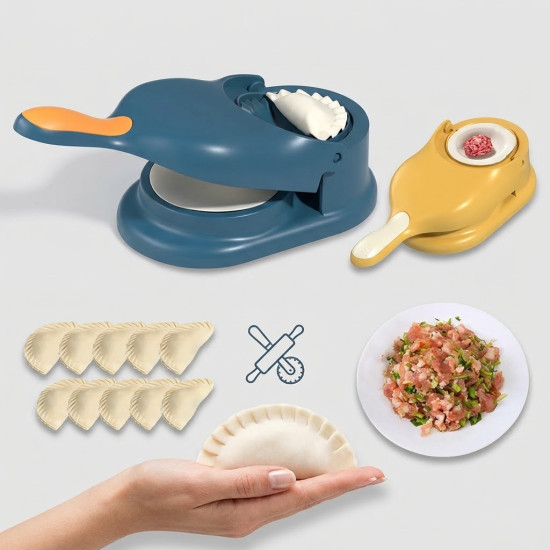
-550x550.JPG "2-in-1 Pastry Making Tool")
-550x550.JPG "2-in-1 Pastry Making Tool")
-550x550.JPG "2-in-1 Pastry Making Tool")
-550x550.JPG "2-in-1 Pastry Making Tool")
-550x550.JPG "2-in-1 Pastry Making Tool")
-550x550.JPG "2-in-1 Pastry Making Tool")
From the same category


Description
A 2-in-1 pastry maker is a manual kitchen tool that combines cutting dough into similarly sized circles with pressing the edges of filled pastries closed. It simplifies the preparation of pies, dumplings, turnovers and stuffed desserts at home.
One side cuts and shapes the circular piece of dough, while the other folds it and presses the edges around the filling. This helps create neat, consistent pieces while reducing repetitive hand shaping.
The problem: Cutting individual dough circles and sealing every pastry by hand can take time, while the finished pieces may vary in size or have incompletely sealed edges.
The solution: This tool combines cutting and sealing in one design, helping you prepare similarly sized circles and press the edges around the filling more quickly and consistently.
- Two functions in one tool: dough shaping and pastry sealing.
- Helps cut similarly sized circular dough pieces.
- Presses the edges to help contain the filling.
- Suitable for sweet and savoury fillings.
- Reduces repetitive manual shaping and sealing.
- Simple to use for beginners and home bakers.
- Helps produce neat and consistent pastries.
- Compact and easy to store with kitchen tools.
- Manual operation with no electricity or batteries.
- Homemade filled pastries and pies.
- Samosas when the dough and tool shape are suitable.
- Dumplings and similar filled dough pieces.
- Half-moon pastries and turnovers.
- Desserts filled with fruit, chocolate or other suitable fillings.
- Pastries filled with cheese, vegetables or properly prepared meat fillings.
- Roll the dough to an even, suitable thickness on a clean surface.
- Use the cutting side to create a circular piece of dough.
- Place the circle over the sealing side and align its edges.
- Add a moderate amount of filling to the centre, leaving the edges clear.
- Lightly moisten the edges if required by your recipe.
- Close the tool and press gently to bring the edges together.
- Open the tool, remove the pastry carefully and cook it according to the recipe.
The cutter diameter and overall tool dimensions are not listed on the product page. For the best result:
- Roll the dough evenly so the edges seal consistently.
- Place the filling in the centre and leave a clear border.
- Do not overfill the pastry, as excess filling may escape during pressing.
- Use the cutting side to create the correct dough size for the sealing mould.
It combines two essential pastry-preparation steps in one tool. Cut the dough to a matching size, transfer it to the sealing side and add the filling, creating a more organised process when preparing multiple pieces.
Without the tool: Dough circles are cut individually and sealed by hand, which may produce pieces with different shapes and sizes.
With the 2-in-1 pastry maker: One mould defines the dough size and then presses the edges, helping create neater and more consistent pieces.
Hand-wash the tool after use to remove dough and filling residue. Use a soft sponge and mild detergent, then dry it completely before storage. Avoid abrasive tools and direct heat. The exact material and dishwasher compatibility are not specified, so do not place it in a dishwasher unless the packaging instructions confirm that it is safe.
- Preparing homemade stuffed pastries and pies.
- Sweet and savoury fillings.
- Beginners, home bakers and cooking enthusiasts.
- Preparing multiple pastries with similar shapes.
- Users who want a simple manual cutting and sealing tool.
- Dry or cracked dough that does not seal when pressed.
- Very liquid fillings or excessive filling quantities.
- Users who require a specific pastry diameter, as dimensions are not listed.
- Oven or stovetop use; this is a shaping tool, not cooking equipment.
| Property | Details |
|---|---|
| Product Type | Manual 2-in-1 pastry-making tool |
| First Function | Cuts and shapes similarly sized dough circles |
| Second Function | Folds the dough and presses the edges around the filling |
| Filling Types | Sweet and savoury fillings with a suitable, non-runny consistency |
| Applications | Pies, pastries, dumplings, turnovers and stuffed desserts |
| Material | Exact material is not specified on the product page |
| Dimensions | Not listed on the product page |
| Operation | Manual; no electricity or batteries required |
| Cleaning | Hand-wash with a soft sponge and dry completely |
| Dishwasher Safe | Not confirmed on the product page |
| Package Quantity | 1 tool |
- Do not overfill the dough, as filling may escape when the tool is closed.
- Use the tool on a clean, stable surface.
- Do not place it in an oven, microwave or over direct heat.
- Sealing quality depends on the dough type, thickness and filling quantity.
- If the recipe contains a raw filling, cook it thoroughly according to food-safety requirements.
- Keep it out of the reach of unsupervised children.
It is a manual tool that cuts a circular piece of dough, then helps fold and press its edges around a filling.
One side cuts and shapes the dough circle, while the other seals the filled pastry.
Yes, provided the filling consistency and quantity are suitable for sealing.
Place a moderate amount in the centre and leave the dough edges clean before pressing the tool closed.
No. It only cuts, shapes and seals the dough; the pastries must then be cooked according to the recipe.
Dishwasher compatibility is not confirmed, so hand washing and thorough drying are recommended.
The mould diameter is not listed, so the finished pastry size cannot be stated accurately in centimetres.
It helps press the edges, but the result also depends on the dough, thickness, filling quantity and cooking method.