Smart Kids Room Organization Ideas Using Practical Storage Solutions
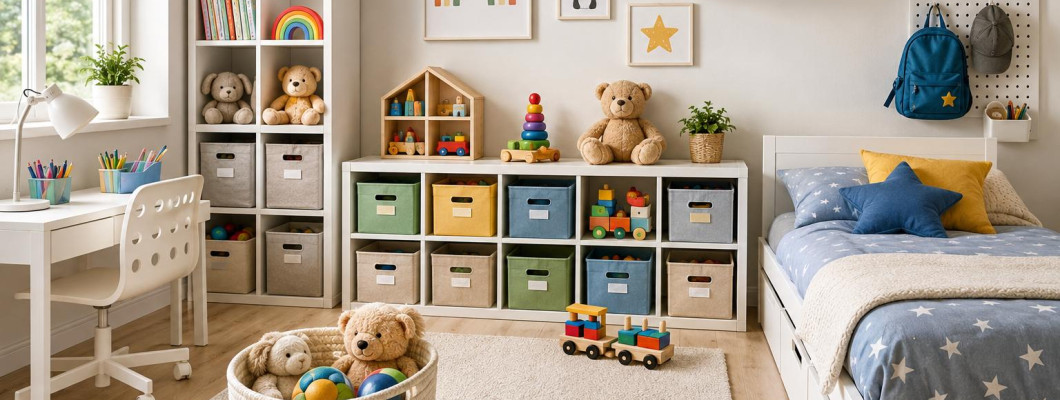
A Complete Guide to Organizing Toys, Clothes, Books, and Maximizing Space
A child's bedroom is much more than just a place to sleep. It is a space for learning, playing, relaxing, and growing. As children accumulate toys, books, clothes, school supplies, and creative materials, keeping their room organized can quickly become a daily challenge.
Fortunately, creating an organized kids' room does not require a large space or expensive furniture. With smart storage solutions and practical organization techniques, you can maximize every corner while creating a safe, comfortable, and enjoyable environment for your child.
An organized room not only looks cleaner but also teaches children valuable life skills such as responsibility, independence, and good organizational habits. When every toy, book, and piece of clothing has a designated place, children are more likely to keep their room tidy without constant reminders.
Whether you're organizing a nursery, a toddler's bedroom, or a room for older children, the ideas in this guide will help you create a functional and clutter-free space that grows with your child's needs.
Table of Contents
Introduction
Why Kids Room Organization Matters
Benefits of Smart Storage Solutions
Planning the Room Layout
Organizing Toys
Organizing Clothes
Organizing Books and School Supplies
Making Use of Vertical Space
Storage Ideas for Small Kids' Rooms
Common Organization Mistakes
Daily Habits That Keep the Room Organized
Frequently Asked Questions
Conclusion
Read Also
Why Kids Room Organization Matters
A well-organized children's room provides more than a neat appearance.
Some of the biggest benefits include:
• Creating a safer play environment.
• Reducing clutter throughout the room.
• Making toys and clothes easier to find.
• Teaching children organizational skills.
• Saving parents time during daily routines.
• Creating more floor space for playing and learning.
Children also become more confident when they can easily find and return their belongings independently.
Benefits of Smart Storage Solutions
Smart storage products help maximize available space while keeping the room functional and visually appealing.
Some of the main advantages include:
• Better use of wall space.
• Easier toy organization.
• Cleaner shelves and floors.
• More efficient clothing storage.
• Better organization of books and school supplies.
• Flexible storage that grows with your child's changing needs.
Choosing the right organizers makes everyday cleaning much easier while keeping the room comfortable and welcoming.
Planning the Kids' Room Before Organizing
Before purchasing storage boxes, shelves, or organizers, take a few minutes to evaluate the available space. Careful planning helps you choose the right storage solutions and avoid unnecessary purchases.
Look around the room and identify areas that can be used more effectively, such as:
• Under the bed.
• Above the wardrobe.
• Empty wall space.
• Room corners.
• Behind the bedroom door.
• Space beside furniture.
Then ask yourself:
• Which toys are used every day?
• Which toys are rarely played with?
• Are there clothes that no longer fit?
• Is there enough storage for books?
• Can wall space be utilized better?
Answering these questions helps create an organization plan that suits your child's needs.
────────────────────────
Declutter Before Organizing
No storage system works well if the room is filled with unnecessary items.
Start by removing:
• Broken toys.
• Damaged books.
• Clothes that no longer fit.
• Old school supplies.
• Empty boxes.
• Unused accessories.
You may also donate toys and clothes that are still in good condition to free up valuable storage space.
────────────────────────
Organizing Toys Efficiently
Toys usually create the largest amount of clutter in a child's room.
The best approach is to organize them by category, such as:
• Building blocks.
• Dolls.
• Toy cars.
• Educational toys.
• Board games.
• Arts and crafts supplies.
Assign a separate storage basket or container to each category so children can easily find and return their toys after playing.
────────────────────────
Organizing Children's Clothes
A well-organized wardrobe makes daily routines much easier.
Sort clothing into categories such as:
• Everyday clothes.
• School uniforms.
• Pajamas.
• Sportswear.
• Seasonal clothing.
• Special occasion outfits.
Drawer dividers are also helpful for organizing socks, underwear, belts, and small accessories.
────────────────────────
Organizing Shoes
Instead of leaving shoes scattered around the room, create a dedicated storage area.
Good options include:
• Small shoe racks.
• Clear storage boxes.
• Shoe organizers behind the door.
• Storage baskets.
Keeping shoes organized improves cleanliness and makes getting ready much faster.
────────────────────────
Creating a Reading Corner
If your child enjoys reading, dedicate a small area to books.
You can use:
• Low bookshelves.
• Wall-mounted book racks.
• Storage baskets for picture books.
• Book display shelves.
Easy access to books encourages children to read more often while keeping books neat and protected.
In Part 3, we'll explore how to organize school supplies, maximize vertical storage, find smart solutions for small bedrooms, and create dedicated activity zones that keep kids' rooms organized every day.
Organizing School Supplies
As children grow, school supplies often become one of the main sources of clutter. Pens, notebooks, folders, art materials, and homework can quickly cover desks if they are not properly organized.
Create a dedicated study area using:
• Desk organizers for pens and pencils.
• Small drawers for notebooks.
• File holders for worksheets.
• Storage bins for art supplies.
• Shelves for textbooks.
Keeping school materials organized helps children stay focused while making homework time more productive.
────────────────────────
Making the Most of Vertical Space
Walls provide valuable storage without reducing floor space.
Consider installing:
• Floating shelves.
• Wall hooks for backpacks.
• Hanging organizers.
• Pegboards for accessories.
• Display shelves for favorite books.
Vertical storage keeps the room tidy while leaving plenty of open space for playing.
────────────────────────
Storage Solutions for Small Kids' Rooms
Limited space doesn't have to limit organization.
Smart ideas include:
• Beds with built-in storage drawers.
• Under-bed storage boxes.
• Tall wardrobes.
• Corner shelving units.
• Foldable storage baskets.
• Multi-purpose furniture with hidden storage.
These solutions maximize available space while keeping the room comfortable and organized.
────────────────────────
Creating Activity Zones
Dividing the room into dedicated areas helps children stay organized throughout the day.
You can create separate zones for:
• Sleeping.
• Studying.
• Reading.
• Playing.
• Arts and crafts.
Each activity area should have its own storage solutions so everything stays where it belongs.
────────────────────────
Organizing Small Accessories
Small items such as hair accessories, watches, craft supplies, stickers, and collectible toys are easily misplaced.
Use:
• Drawer organizers.
• Small labeled containers.
• Divided storage boxes.
• Clear plastic bins.
• Decorative baskets.
Keeping these items sorted makes them easy to find while preventing unnecessary clutter.
────────────────────────
Products That Help Organize Kids' Rooms
If you're looking for practical storage solutions, K&M Shopping
offers a wide range of storage boxes, drawer organizers, storage baskets, shelving accessories, and home organization products designed to help keep children's rooms neat, functional, and easy to maintain while making the most of every available space.
────────────────────────
Additional Organization Tips
A few simple habits can make a big difference:
• Label storage containers whenever possible.
• Rotate toys every few months to reduce clutter.
• Store seasonal items separately.
• Keep everyday items within the child's reach.
• Encourage children to return everything after use.
These small routines make maintaining an organized room much easier for both children and parents.
In Part 4, we'll cover the most common kids' room organization mistakes, practical daily habits, and a simple organization checklist to keep the room tidy all year long.
Common Kids' Room Organization Mistakes
Even with the best storage products, clutter can quickly return if a simple organization system is not maintained. Avoiding common mistakes makes it much easier to keep your child's room neat over the long term.
1. Buying Storage Products Without Measuring
One of the most common mistakes is purchasing storage boxes, shelves, or furniture before measuring the available space.
Before buying anything:
• Measure the room carefully.
• Measure wardrobes and shelves.
• Leave enough space for walking and playing.
• Choose storage products that fit your child's age and daily needs.
Proper planning helps maximize space while avoiding unnecessary purchases.
────────────────────────
2. Keeping Too Many Unused Toys
Children often outgrow toys without anyone noticing.
Every few months:
• Remove broken toys.
• Donate toys that are no longer used.
• Recycle damaged items whenever possible.
• Keep only the toys your child enjoys regularly.
Reducing the number of toys makes organization much easier.
────────────────────────
3. Storing All Toys Together
Large toy boxes may seem convenient, but mixing every toy together makes it difficult for children to find what they want.
Instead, separate toys into categories such as:
• Building toys.
• Dolls.
• Toy vehicles.
• Educational games.
• Creative activities.
This organization system encourages children to clean up independently.
────────────────────────
4. Ignoring Wall Storage
Empty walls provide valuable storage opportunities.
Install:
• Floating shelves.
• Wall hooks.
• Hanging organizers.
• Book displays.
Using vertical storage frees up valuable floor space while making the room feel larger.
────────────────────────
5. Not Involving Children
Children are much more likely to keep their rooms organized if they help create the organization system.
Encourage your child to:
• Put toys away after playing.
• Return books to their shelves.
• Place dirty clothes in the laundry basket.
• Help organize storage boxes.
Building these habits early teaches responsibility and independence.
────────────────────────
Daily Habits That Keep Kids' Rooms Organized
Maintaining organization is easier than starting over.
Simple daily routines include:
• Put toys away before bedtime.
• Return clothes to the wardrobe.
• Spend five minutes organizing every evening.
• Check storage boxes regularly.
• Remove unnecessary items every month.
• Keep play areas clear and safe.
────────────────────────
Kids' Room Organization Checklist
- Remove broken or unused toys.
- Organize toys by category.
- Keep clothes neatly arranged.
- Organize books and school supplies.
- Maximize vertical storage.
- Use labeled storage containers.
- Give every item a permanent place.
- Encourage children to participate in cleaning.
- Review the room's organization every month.
────────────────────────
Making a Small Kids' Room Feel Bigger
Even compact bedrooms can feel spacious with smart organization.
Helpful ideas include:
• Choose light-colored storage containers.
• Use matching baskets and organizers.
• Select multifunctional furniture.
• Keep the floor free from clutter.
• Store seasonal items separately.
• Avoid overcrowding shelves.
These simple improvements make the room feel brighter, cleaner, and more enjoyable for both children and parents.
In Part 5, we'll answer the 10 most frequently asked questions about organizing kids' rooms, followed by the conclusion and a "Read Also" section to complete the article.
Frequently Asked Questions (FAQs)
1. What is the best way to organize a kids' room?
The best approach is to divide the room into dedicated areas for sleeping, playing, studying, and storage. Use storage boxes, baskets, shelves, and drawer organizers so every toy, book, and piece of clothing has its own place.
────────────────────────
2. How can I encourage my child to keep their room clean?
Make organization part of the daily routine by using colorful storage bins, labeling toy containers, and encouraging your child to put everything back after use. Positive reinforcement and simple routines work very well.
────────────────────────
3. What is the best way to organize toys?
Sort toys into categories such as building blocks, dolls, vehicles, educational toys, puzzles, and art supplies. Store each category in its own labeled container for easy access.
────────────────────────
4. Should I use storage boxes or baskets?
Both are excellent options. Storage boxes are ideal for smaller toys and craft supplies, while baskets work well for stuffed animals, blankets, and larger toys.
────────────────────────
5. How can I maximize space in a small kids' bedroom?
Use under-bed storage boxes, floating shelves, wall hooks, tall wardrobes, and multifunctional furniture with built-in storage to make the most of every available inch.
────────────────────────
6. How often should I reorganize a child's room?
A quick weekly tidy-up combined with a more thorough organization once a month helps keep the room clean, functional, and free of unnecessary clutter.
────────────────────────
7. How should books and school supplies be organized?
Keep books on accessible shelves and organize school supplies using desk organizers, storage drawers, folders, and labeled containers to make homework easier and more enjoyable.
────────────────────────
8. Should children help organize their own room?
Yes. Involving children teaches responsibility, encourages independence, and helps them develop lifelong organization habits while making it easier to maintain a tidy room.
────────────────────────
9. What storage products are most useful for kids' rooms?
Some of the most practical products include:
• Storage boxes.
• Storage baskets.
• Drawer organizers.
• Floating shelves.
• Wall hooks.
• Under-bed storage containers.
• Multi-purpose storage units.
────────────────────────
10. Can I organize a kids' room on a budget?
Absolutely. Affordable storage baskets, clear storage boxes, wall shelves, drawer organizers, and simple storage bins can dramatically improve organization without requiring expensive furniture.
────────────────────────
Conclusion
An organized kids' room creates a safer, more comfortable, and more enjoyable environment for children to learn, play, and grow. By choosing practical storage solutions, maximizing available space, and establishing simple daily routines, parents can maintain a clean and functional room throughout the year.
Start with small improvements, give every item a permanent home, and involve your child in the organization process. These simple habits will make keeping the room tidy much easier while teaching valuable life skills that will benefit your child for years to come.
────────────────────────
Read Also
• Smart Bedroom Organization Ideas Using Practical Storage Solutions.
• Smart Laundry Room Organization Ideas Using Practical Storage Solutions.
• Smart Bathroom Organization Ideas Using Practical Storage Solutions.
• Smart Kitchen Organization Ideas for Maximizing Storage Space.
• Practical Home Storage Ideas for Small Spaces.
────────────────────────
Thank you for reading!
We hope these smart kids' room organization ideas help you create a cleaner, safer, and more enjoyable space for your child. With thoughtful planning and practical storage solutions, keeping toys, clothes, books, and everyday essentials organized becomes easier for the entire family. K&M Shopping offers a variety of home organization products designed to help you organize every room efficiently while maintaining a modern and welcoming home.
Leave a Comment