
Paper Napkin Flowers: How to Style Place Settings and Napkin Bouquets
Paper Napkin Flowers: How to Style Place Settings and Napkin Bouquets
A table can be ready for dinner and still feel as though it needs one finishing detail. The plates are out, the glasses are in place, and the serving dishes have somewhere to go. Adding a large centrepiece may make everything crowded, but changing how the napkins are presented can give the setting a more deliberate look.
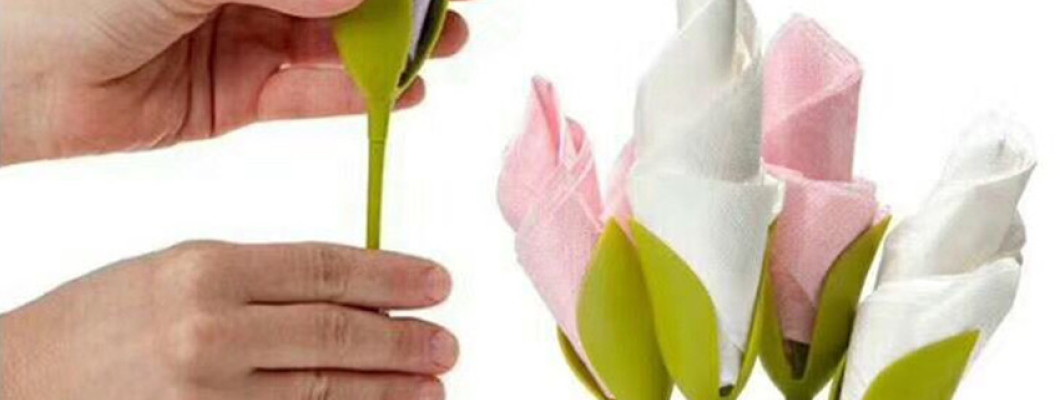
Paper napkin flowers offer one way to do that. A folded napkin forms the petals, while an individual flower-shaped holder supplies the stem. You can place a flower at each seat or group several stems in a suitable container.
The important part is making the arrangement useful as well as attractive. Guests still need to take their napkins easily, and the display should leave room for food, glasses and conversation. This guide explains how to test the napkin, choose a presentation style and prepare a complete table without relying on unconfirmed product specifications.
Quick Answer
To make a paper napkin flower with a stem holder, choose a flexible paper napkin, fold or roll a narrow end, and insert it gently into the holder’s opening. Arrange the exposed paper into petals, then check that the napkin can be removed easily. Use one holder per napkin. For a bouquet, combine several holders in a suitable, stable glass or vase and test access before preparing the full display.
Contents
Choose how guests will receive their napkins.
Understand individual flower holders.
Test paper size and thickness.
Make a complete sample.
Shape the flower step by step.
Review the K&M holder’s confirmed features.
Plan individual settings or a shared bouquet.
Coordinate colours and prepare the table.
Troubleshoot, clean and store the holders.
Use the checklist and frequently asked questions.
Start with the Way You Are Serving
Decide whether guests will sit at prepared places, collect food from a buffet or gather around drinks and small plates. That decision affects where napkins should be and how easy they need to be to take while holding something else.
For a seated meal, a napkin flower on each plate gives every guest an obvious starting point. For a coffee table or dessert station, a small shared arrangement may make more sense. Neither option is automatically better; choose the one that fits the service.
Leave room for the dishes that will arrive later. A table that looks spacious before serving can become crowded once bowls and platters are added. Plan the napkins alongside those items instead of filling all the empty space with decoration first.
What a Flower Napkin Holder Actually Does
An individual flower holder supports one folded paper napkin. The visible petals come from the paper, while the holder forms the stem and surrounding flower structure. It is different from a conventional holder that stores a stack of napkins.
This distinction matters when calculating quantities. A photograph showing a bouquet may contain several separate holders. It does not mean that one piece accommodates the entire arrangement or that the vase shown is included.
Think of the holder as part of a single napkin presentation. You can repeat that presentation across place settings or combine several pieces. Check the order contents separately from any styling accessories, then work out how many individual holders your plan requires.
Choose the Paper by Testing It
Begin with a flexible paper napkin that folds easily. A thicker napkin is not necessarily a better choice for this project: too much folded paper may be difficult to fit into the opening.
Do not assume a universal napkin size. The relevant combination is the napkin you have, the fold you make and the particular holder. If measurements are unavailable, test a sample before buying or preparing a large quantity for an event.
Use one paper type while learning the fold. Once it works, try the intended colour. If changing colour also means changing brand, size or thickness, repeat the trial rather than assuming the same result.
Cloth napkins and facial tissues should not be treated as interchangeable substitutes. The product discussed here is listed for foldable paper napkins. Check suitability before experimenting with other materials, and never force a bulky fold into the holder.
Make One Complete Sample First
Prepare a sample using the actual napkin, holder and plate or display container you intend to use. Looking at the flower in your hand is not enough to judge its appearance and accessibility on the table.
Check three things: whether the paper enters without tearing, whether the exposed edges form a shape you like, and whether the napkin can be removed comfortably. Adjust the fold before repeating a problem across the whole batch.
View the sample from a seated guest’s position as well as from above. The flower may look different against the plate or beside a glass. Keep the successful sample nearby as a reference, but allow small variations. Consistent overall proportions matter more than identical individual petals.
How to Shape a Paper Napkin Flower
Start on a clean, dry surface with a clean, dry holder. Open the napkin, then fold it diagonally or roll it to create a narrow end. Leave enough paper exposed to arrange into petals rather than compressing the whole napkin into a tight bundle.
Insert the narrow end gently into the opening in the flower bud. Adjust it with a light pull or twist as appropriate to the holder’s design. If it resists, reshape the fold or try more suitable paper instead of pushing harder.
Arrange the upper edges gradually. Open and reposition small sections until they resemble petals. Turn the holder to check the shape from different angles, avoiding a strong pull on one corner that could tear the napkin or disturb the rest.
Finally, test removal. A flower that looks impressive but requires a complicated tug is not ready for the table. Loosen an overpacked fold or change the paper if necessary. The display needs to work when someone reaches for the napkin, not just before the meal begins.
The K&M Flower Napkin Holder: Confirmed Details
K&M Shopping lists an individual green flower-stem napkin holder made from ABS plastic. Each holder accommodates one folded paper napkin, with the visible paper forming the petals. The holder can be reused with a fresh napkin after appropriate cleaning.
You can review the product here:
https://k-m.store/en/flower-napkin-holder
The listing describes presentation on a guest’s plate, in a glass or in a suitable vase, without tools or permanent installation. The stated order content is one holder. Napkins, containers and other styling accessories are not confirmed as included.
Dimensions are not provided, so do not assume it will suit a particular small plate or narrow container. Check the fit and stability of your intended arrangement. The listing also does not establish a temperature rating or dishwasher compatibility; follow the stated care instructions rather than inferring those properties from the material name.
Option One: A Flower at Each Place Setting
Individual presentation suits meals with a known seating arrangement. Put one holder and napkin at each prepared place, checking that it stays within the space available and does not interfere with cutlery or the glass.
Calculate the quantity by the number of places you intend to dress. Because each holder takes one napkin, a table of several guests needs a corresponding number of individual pieces if everyone is receiving the same presentation.
Plan what happens after the napkin is taken. Guests need somewhere sensible to put the empty holder, or you can collect holders at an appropriate point during service. This is easy to overlook when styling a table before anyone has sat down.
A small clear area beside the setting may work, depending on the layout. Avoid placing holders where they will be caught under serving dishes or repeatedly moved around during the meal.
Option Two: A Shared Napkin Bouquet
A bouquet groups several individual holders in a suitable glass or vase. Begin with a modest number of stems and check that the container remains stable and the pieces can be removed independently.
Do not assess it only when full. Take a few pieces out and inspect the remaining arrangement. A display should still be practical as guests use it, rather than depending on every stem staying in its original position.
Test access to a piece near the edge and one nearer the middle. If stems catch or several move together, reduce the grouping or choose a more suitable container. A tightly packed arrangement may need more space rather than more adjustment.
Place the bouquet within convenient reach, not behind food or across a busy serving area. On a longer table, separate smaller groups may be easier to use than one central display, provided the layout leaves adequate room.
Coordinate Colours with What You Already Have
Choose a starting point such as the plates, table linen or another existing detail. A single napkin colour can create a clear repeated pattern, especially when the rest of the table already includes decorative designs.
If using two colours, decide on the distribution before assembling everything. Alternating place settings or grouping colours can both work. The aim is a deliberate arrangement that does not require last-minute sorting.
Remember that the holder is green and the napkin determines the flower colour. Look at those colours together under the room’s actual lighting. A photograph taken elsewhere is a useful reference, but it cannot replace checking your own materials and setting.
Three Practical Hosting Scenarios
A Family Dinner
Make a sample on one of the dinner plates, then add the intended glass and cutlery. Repeat the arrangement only after checking the available space. Keep suitable extra napkins accessible; every spare napkin does not need to become a flower.
Coffee and Dessert
A small group near the serving area may suit this setup better than individual place settings. Check that guests can take a napkin without moving cups or reaching across desserts. Reassess the container’s position once the serving tray is in place.
A Buffet
Follow the guest’s route through the food and tableware. Put napkins where they are easy to notice and collect. Someone holding a plate should not need to untangle stems or move a large display. Adjust the grouping to the practical demands of the serving area.
Prepare the Batch in Stages
Once the sample works, use the same paper type and prepare a small group at a time. Compare the overall flower size and the way the paper enters the holder. Catching an inconsistent fold early is easier than correcting every piece later.
If someone is helping, agree on the method before dividing the work. One person can prepare the narrow folds while another arranges the petals, as long as both understand the successful sample.
Keep assembled pieces in a clean, dry location away from splashes and crowded preparation areas. Consider where they will wait before the table is ready. Finish any small adjustments after positioning them, so you are judging the flowers within the complete setting.
Troubleshooting Before Guests Arrive
Paper Tears During Insertion
Stop repeating the same movement. The folded end may contain too much paper or be packed too tightly. Reshape it gently or try a suitable thinner napkin. Do not use a sharp tool to push paper through the opening.
The Flower Looks Uneven
Check how much paper is exposed and how the edges are distributed before changing all the materials. Adjust small sections gradually. If the paper is fundamentally too bulky for the opening, changing the napkin is more useful than forcing the shape.
The Bouquet Moves When a Piece Is Taken
Check the container and the number of stems. Reduce crowding or use a more suitable vessel, then test again with pieces taken from different positions. Do not assume that any tall glass will be stable simply because the stems fit inside it.
Common Styling Mistakes
Preparing Everything Before Testing
A small folding problem can be repeated across an entire batch. Test the complete setup first, including removal and the intended display location.
Choosing Napkins Only by Colour
Colour does not tell you how the paper folds or fits. Test the actual napkin, especially when the size, thickness or type changes.
Making the Bouquet Too Large
A bigger arrangement can interfere with serving dishes and make napkins harder to take. Keep its size appropriate to the table and service style.
Forgetting the Empty Holders
Plan where holders go once the napkins are in use. Otherwise, decorative pieces may end up competing with plates and glasses during the meal.
Cleaning and Storing the Holders
Remove the napkin after use. The product listing recommends wiping the holder with a soft damp cloth or hand-washing it with lukewarm water and mild detergent. Dry it before storage or inserting fresh paper.
Avoid strongly bending the stem or leaves, and do not use abrasive cleaning tools. Store the pieces without compressing their shaped parts. Do not assume machine washing or exposure to high temperatures is suitable.
Keep the holders away from flames and high heat, including when candles are part of the table design. The product is not a toy and should not be left with young children without supervision. Consider these requirements when choosing both the display position and the storage location.
Review Your Supplies Before the Next Occasion
Count the holders and check their condition before another event. Identify which pieces are ready, which need cleaning and whether the available quantity matches the new plan. This avoids buying duplicates because the stored set was not checked.
Repeat one sample if the napkins, plates or display container have changed. A previous photograph can guide the look, but it does not confirm that a new combination will fit or function in the same way.
Before-Guests-Arrive Checklist
The holder count matches the presentation plan.
Each holder contains one napkin.
The actual paper type has been tested.
The folded end fits without excessive force.
Napkins can be removed without tearing.
Plates, cutlery and glasses have enough space.
The bouquet container is suitable and stable.
The display works after some pieces are removed.
Holders are clean and dry.
Empty holders have somewhere to go.
The arrangement is away from flames and high heat.
Extra napkins are available when needed.
Quick Answers
What determines the flower colour? The paper napkin; the holder is green.
How many napkins does one piece hold? One folded paper napkin.
What should be tested first? Folding, insertion, removal and the complete display position.
Should every napkin become a flower? No. Prepare the decorative arrangement you need and keep suitable extras accessible.
Can the holder be reused? Yes, with a fresh napkin after cleaning and drying.
Frequently Asked Questions
1. What is a flower napkin holder?
It is an individual stem-shaped holder that supports one folded paper napkin. The exposed paper forms the petals, while the holder provides the stem and surrounding flower structure.
2. Does one holder make a whole bouquet?
No. Each piece holds one napkin. A bouquet requires several holders and a suitable display container.
3. Are napkins and a vase included?
The stated order content is one holder. Napkins, vases and other styling accessories are not confirmed as included.
4. What material and colour is the K&M holder?
The listing specifies ABS plastic with a green exterior. The colour of the visible flower depends on the napkin inserted.
5. Which paper napkins should I choose?
Start with flexible, foldable paper napkins. Test the actual size and thickness because very bulky folds may be difficult to insert.
6. What are the holder’s dimensions?
Dimensions are not stated on the product page. Clarify them if your choice depends on a narrow container or a limited place-setting area.
7. How do I change the flower colour?
Use a different napkin colour. If the paper type also changes, repeat the fitting and folding test before preparing the full batch.
8. Can the holder go on a guest’s plate?
Yes. The listing describes plate presentation as well as display in a suitable glass or vase. Check space and ease of use in your chosen arrangement.
9. How should the holder be cleaned?
Remove the napkin, wipe with a soft damp cloth or hand-wash with lukewarm water and mild detergent, then dry before reuse or storage.
10. What should I do if the napkin tears?
Stop forcing the paper. Reshape the folded end or try a more suitable napkin, and avoid sharp tools around the opening.
A Step-by-Step Starting Plan
Choose individual settings or a shared bouquet.
Work out the number of holders required.
Test one flexible paper napkin in one holder.
Shape the petals and check removal.
Try the sample on the actual plate or in the intended container.
Prepare the remaining pieces using the successful method.
Check table space and stability before guests arrive.
Clean and dry the holders after use.
Conclusion
Paper napkin flowers work best when their decorative role supports the meal. Test the paper, leave room for serving and make sure guests can take a napkin without disturbing the arrangement.
Start with one complete sample, then repeat what works. A thoughtful, usable presentation is more valuable than a larger display that becomes awkward as soon as the meal begins.
Quick Summary
Each flower holder takes one paper napkin, and the napkin creates the coloured petals. Check flexibility and thickness, choose individual settings or a stable shared bouquet, and plan where empty holders will go. Clean and dry the reusable pieces after use.
Read Also
If your hosting plans include coffee and other drinks, this guide compares wrapped and unwrapped wooden coffee stirrers for different serving arrangements:
https://k-m.store/shop/en/blog/wrapped-unwrapped-wooden-coffee-stirrers-guide
You can also explore the home and serving products available from K&M Shopping:
Leave a Comment