How to Teach Children to Save: Choosing a Money Box and Planning a First Savings Goal
How to Teach Children to Save: Choosing a Money Box and Planning a First Savings Goal
A child wants a new book, a craft kit or a particular toy. They have some money, but not enough to buy it yet. This everyday situation offers a useful starting point for talking about saving: keeping some money now so it remains available for something later.
A money box gives those savings a home. However, choosing an attractive box is only the beginning. Children also need to understand what they are saving for, how much they have and what happens when money goes in or comes out.
This guide explains how to choose a practical children’s money box and use it as part of a simple family routine. It also looks at a wooden letter money box with a transparent front, including what to check before ordering and how to keep the activity manageable.
Quick Answer: How Do You Start Teaching a Child to Save?
Choose one understandable goal together, check its price and agree on an affordable amount to set aside whenever money is available. Keep a record of deposits and withdrawals, and review the balance with the child.
A transparent money box makes the contents visible, but it does not show their exact value. Count the money or maintain an accurate record rather than judging progress by how full the box looks. Adults should supervise coins and any opening or closing of the box.
Contents
What a first savings activity can teach.
Choosing a goal and agreeing on the rules.
Selecting a suitable money box.
Using a wooden letter design.
Recording deposits and withdrawals.
Managing gifts, siblings and changing plans.
Care, common mistakes and a practical checklist.
Ten frequently asked questions.
A simple plan for getting started.
Start with a Decision the Child Understands
Saving can begin with a small choice: spend some money today or keep it for a particular purchase. There is no need to introduce complicated financial language before the child understands that basic relationship.
Let the child describe what they want and why. Then discuss whether it is something they still expect to want after waiting. This conversation makes the activity about a meaningful choice rather than simply following an instruction to put coins away.
Participation should match the child’s understanding. One child may be ready to add amounts independently, while another needs an adult to explain each step. Avoid turning the activity into a test of arithmetic or comparing their progress with another child’s.
Choose One Goal Before Adding More
A first goal is easier to follow when it has a clear purpose. “A book about animals” is more concrete than “something nice later,” especially if the child can identify the actual book.
Check the price before writing down a target. If the item has not been chosen yet, agree on a small savings target first and decide together how to use it later. Be clear about which approach you are taking.
Several simultaneous goals can make a first activity harder to understand. Start with one, then introduce separate purposes only if the child can comfortably follow them. The aim is a plan they can explain, not a complicated system that an adult has to manage entirely.
Agree on Contributions Without Creating Pressure
There is no single saving amount that suits every family. The contribution should reflect the money available to the child and any spending arrangements already in place.
If you plan to contribute towards the purchase, explain that agreement at the beginning. For example, distinguish between the child saving the full price and saving an agreed share while an adult pays the remainder. Neither arrangement needs to be presented as a competition.
Avoid promising a purchase date before checking the target and likely contributions. Money may arrive irregularly, and prices can change. It is more useful to explain what remains to be saved than to create a deadline the child cannot control.
Why a Transparent Money Box Can Be Useful
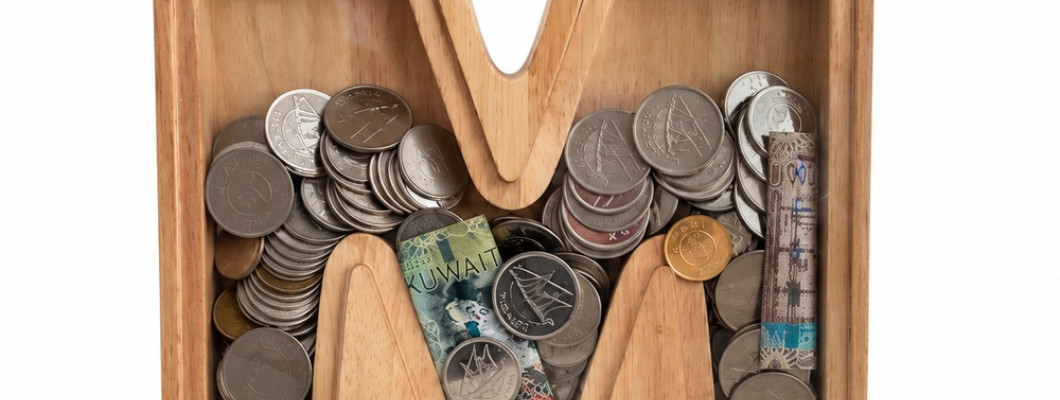
A transparent front allows the child to see where their savings are kept. The visible contents can act as a reminder of the goal, particularly when a small goal card sits nearby.
However, visible volume and monetary value are different. Many low-value coins can occupy more space than fewer higher-value coins. Folded banknotes may also represent more money than their size suggests.
Use the window as a visual reminder, not as a measuring tool. A written balance or a supervised count provides the actual figure. This distinction is worth explaining early so that a nearly full box is not mistaken for a nearly completed goal.
What to Check Before Choosing a Money Box
Think about the money you intend to use. Coins need to fit the opening comfortably, and banknotes should only be inserted if an appropriate fold allows them to pass through without force.
Consider where the box will stand. A stable, dry surface away from an edge is more suitable than a crowded shelf where it can be knocked over. If younger children share the room, an adult-controlled storage location may be the better choice.
Also check how the money is removed. Do not assume that every box has a removable stopper, sliding panel or screw fastening. If the opening method is unclear, ask the seller before ordering rather than planning to improvise later.
The Wooden Letter Money Box from K&M Shopping
K&M Shopping lists a wooden money box shaped like an English letter, with a transparent front cover. The product description identifies the main material as natural wood and states that it accepts coins and appropriately folded banknotes that fit the opening.
It requires no batteries or charging. Its letter shape also allows it to serve as a decorative item in a bedroom, study area or office.
The options listed when preparing this guide are A, K, N and D. Availability can change, so check the selectable options before ordering:
https://k-m.store/en/wooden-letter-money-box
The listing does not provide numerical dimensions or a stated storage capacity. Confirm measurements with the store if the box needs to fit a particular shelf or space.
Choose the Letter Carefully
A letter can represent the recipient’s initial or another meaning they recognise. If the box is a gift, confirm the intended letter rather than guessing how the person’s name is written in English.
Selecting an available letter is different from ordering a fully customised product. Do not assume that every letter is available or that the purchase includes engraving a complete name.
If the preferred initial is unavailable, discuss an alternative before ordering. Another meaningful letter may work, but it should be a deliberate choice. The shapes also differ, so there is no basis for assuming that every letter holds an identical quantity of coins.
Prepare a Simple Goal Card
A goal card can contain three things: the item or purpose, the target amount and the current balance. Keep the wording short enough for the child to understand.
If writing is difficult, an adult can maintain the card while explaining each change. A picture or a short description of the intended purchase may help identify the goal, but it should not replace the amount when you are calculating progress.
Treat the card as a working note rather than a permanent promise. If the price changes or the child chooses a different goal, update it together. Keeping an outdated target on display can create confusion about what the savings are meant to achieve.
Make the First Deposit Easy to Follow
Choose a quiet moment and clear a working surface. Bring out only the money needed for the activity, keeping other small items out of the way.
Count the deposit together, record it and then insert the suitable coins or notes gently. Explain that the written total now represents the money kept for the agreed purpose.
Finish by returning the box to its designated place and storing any remaining coins safely. A short, understandable first session is enough. There is no need to add several challenges, reward systems or rules before the child has practised the basic sequence.
Keep a Record That Includes Withdrawals
A small notebook can be sufficient. Record the date, money added or removed, and the balance after each change.
For example, a balance of KD 2 becomes KD 2.500 after a deposit of 500 fils. If 500 fils is later withdrawn, the balance returns to KD 2. This is simply an arithmetic example, not a recommended allowance.
Record withdrawals as carefully as deposits. If money is removed and later returned, note both actions. When the written total and a physical count differ, check the entries calmly. A missed entry or counting mistake is a reason to review the method, not automatically a reason to blame the child.
Adapt the Routine to Irregular Pocket Money
Some children receive a regular allowance; others receive money mainly on special occasions. The savings routine should reflect that difference.
With regular pocket money, discuss what portion the child wishes to retain within the family’s agreed rules. With occasional gifts, review the plan when money arrives rather than expecting an identical contribution every week.
A review does not have to include a deposit. You can check the goal, read the balance and decide whether anything needs changing. A week without new money does not erase earlier progress, and it does not require the child to make up a compulsory payment later.
Handle Gift Money with Clear Expectations
When a child receives money as a gift, discuss its purpose before placing it in the box. Some gifts may be intended for a particular purchase, while others leave the choice open.
If part is saved and part is available for spending, explain the split before the money is mixed together. This prevents the child from believing that every coin in their possession remains available for immediate purchases.
Keep the conversation proportionate. The aim is to make ownership and intended use understandable. Avoid adding gift money to a shared family target without a clear agreement about what the contribution means.
Give Siblings Clear Ownership Rules
Separate money boxes can help distinguish individual savings, but they still need to be identifiable. If two children choose the same letter, do not rely solely on which side of a shelf each box occupies.
A shared goal needs a different conversation. Explain whether contributions belong permanently to the shared purchase or whether they can be withdrawn if plans change. Agree on who records the balance and who supervises access.
Avoid ranking children by how much they have saved. Their available money and goals may differ. Instead, invite each child to explain their plan and the choices they have made.
Allow the Goal to Change Thoughtfully
A child may lose interest in an item, discover an alternative or realise they already own something similar. Changing the goal after considering these points can be a sensible decision.
Check the new price and compare it with the balance before replacing the goal card. If the new choice costs more, explain the additional amount required without promising a completion date.
If it costs less, discuss what will happen to the remaining money. Do not treat the difference as something that must immediately be spent. It can stay saved until the child chooses another purpose within the family’s rules.
Complete the Purchase as Part of the Activity
Reaching the target is a useful moment to connect the recorded savings with the actual purchase. Confirm the current price before taking money out.
After buying the item, record what was spent and count any change. The remaining balance should have a clear place in the notebook and in the next plan.
Then ask a few simple questions: Was the goal still worth waiting for? Was the record easy to use? Would a smaller or different goal work better next time? This discussion closes the experience without turning it into a lecture or suggesting that spending the saved money was a mistake.
Avoid Common Money Box Mistakes
Do not wait for the box to become full before checking progress. The target may be reached much earlier, or a full-looking box may still contain less than expected.
Avoid changing the agreement without explanation. If an adult decides to pay for the goal unexpectedly, discuss what will happen to the child’s savings rather than leaving their earlier effort disconnected from the outcome.
Never force notes through the opening or use sharp tools to retrieve money. A money box is also not a security safe. It should not be relied on to protect valuables or money requiring more secure storage.
Care for the Wooden Box
Follow the product’s care instructions. Wipe the wood with a soft, dry cloth. The transparent front can be wiped with a slightly damp soft cloth and dried immediately.
Do not immerse the box, wash it under a tap or use strong cleaners, alcohol or abrasive materials. Keep it away from moisture, heat and prolonged direct sunlight.
Inspect the edges and front cover, particularly after a fall or accidental knock. An adult should handle opening and closing. Coins and possible small parts present a choking risk, so keep them away from young children who may put objects in their mouths.
A Practical Weekly Review
Choose a review time that fits family life rather than one that makes saving feel like a deadline. Check whether deposits and withdrawals have been recorded and whether the goal still makes sense.
You do not necessarily need to open the box every time if the record is reliable. When a physical count is needed, an adult should use the intended opening method.
Also check the storage location and the condition of the box. A review can be brief: confirm the balance, discuss any change and put everything away. Consistency is useful, but the routine should remain easy to maintain.
Before-You-Start Checklist
Confirm the required letter is available.
Ask about dimensions if shelf fit matters.
Clarify the opening method if needed.
Choose a stable, dry location.
Check that the intended money fits without force.
Agree on one goal and verify its price.
Prepare a simple deposit and withdrawal record.
Explain any adult contribution.
Keep coins and small parts under adult supervision.
Remember that the box is not a security safe.
Quick Answers
To measure progress: Use the recorded balance or count the money, not the apparent fill level.
To personalise the choice: Select a meaningful letter from the options actually available.
To keep the routine simple: Start with one goal and one record.
When no money is available: Review the plan without requiring a deposit.
After a purchase: Record the spending and decide what happens to the remaining balance.
Frequently Asked Questions
1. Does a money box teach saving on its own?
No. It provides a place for money, but the learning comes from choosing a goal, discussing decisions and tracking changes. Adult participation should match the child’s understanding and ability.
2. Does the transparent front count the money?
No automatic counter is described for this product. The front makes the contents visible, but you still need a physical count or an accurate record to know their value.
3. Which letters are available?
The listing currently includes A, K, N and D. Check the options at the time of ordering because stock may change. Do not assume the entire alphabet is available.
4. Can the wooden letter money box hold banknotes?
The description allows appropriately folded banknotes that fit the opening without force. No numerical opening dimensions are provided here, so universal compatibility with every note or fold cannot be guaranteed.
5. Do all letters have the same capacity?
The letter shapes and internal spaces differ. No numerical capacity is stated, so avoid choosing a letter on the assumption that it will hold a particular number of coins.
6. How much should a child save?
Choose an amount that fits the money available and the agreed goal. A fixed percentage is not necessary. Review the arrangement when circumstances change rather than imposing an unaffordable contribution.
7. Must the child make a deposit every day?
No. Deposits can follow the availability of money. A manageable review routine and accurate record are more useful than insisting on daily deposits that the child cannot maintain.
8. How do you remove the saved money?
Use the opening method intended for the product. Ask the store if that method is unclear. Do not assume a particular fastening design, force the cover or let children dismantle it themselves.
9. Is this a suitable gift for a child?
It can be a meaningful gift when the letter is chosen carefully and an adult supports its use. Coins and possible small parts require supervision; it should not be treated as an unsupervised toy for young children.
10. What happens after the first goal is completed?
Record the purchase and remaining money, then discuss what worked. The child can choose another goal or keep the balance saved while deciding. There is no need to rush into a replacement target.
Start with One Clear Plan
Choose the goal, check the price and prepare the record before making the first deposit. Keep the process understandable enough for the child to describe what they are doing and why.
You can review the wooden letter money box and current options here:
https://k-m.store/en/wooden-letter-money-box
For other products available from K&M Shopping, visit:
A useful savings activity gives each deposit and withdrawal a clear meaning. Keep the rules consistent, allow room for thoughtful changes and use the money box as a place to support those conversations.
Leave a Comment